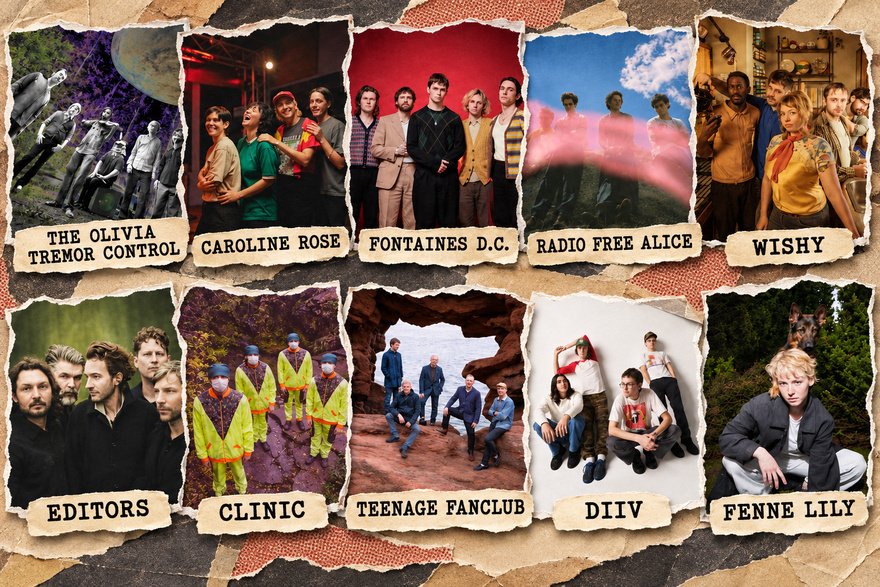
October brought a first album from Melbourne – a final statement from the Elephant 6 community, and new turns from artists with years of history in the IRC archives. We’ve listened to and picked our Top 10 indie/diy albums for Ocotober 2026 from releases that deserve to get more play and accolades whether it’s catchy guitar pop, independent songwriting, post-punk influences, musical experimentation or all of them combined.
These
Behind this list-creation: Original albums released October 1–31, 2026, selected for IRC relevance from releases with reported Metacritic critic scores of at least 70/100. This is an editorial selection, not Metacritic’s official top ten. Scores reflect the research snapshot and may change. Asterisks identify scores obtained from indexed copies rather than a fresh direct album page. Listening disclosure: None of these recordings was audibly reviewed in this research session. Sound descriptions below are attributed summaries of published criticism, not firsthand listening claims. Official players and links let readers hear the music themselves.
1. The Olivia Tremor Control — The Same Place
October 23, 2026 · Elephant 6 · Metascore: 90/100
Twenty-seven years after Black Foliage, the Olivia Tremor Control’s final album arrives with a history that reaches further back still. The Athens, Georgia, Elephant 6 group’s official credits identify recordings made on four-track and eight-track tape, digital equipment and computers, with some material dating to 1988.
Bill Doss and W. Cullen Hart are both gone; Derek Almstead, Jason NeSmith and their collaborators helped bring this sprawling, 27-track project to completion. A final mix was made in March 2026.
The reception to the release recognizes both the achievement and its complicated emotional setting. AllMusic’s Tim Sendra calls it “a melancholy triumph,” emphasizing the care involved in completing Hart’s plans. Pitchfork’s Patrick Lyons awards it 8.0, discussing its darker atmosphere alongside the band’s enduring psychedelic ambition.
His account points toward “Timewaster” and “Garden of Light” as approachable entry points. FLOOD’s Kyle Lemmon likewise treats the record as a substantial final statement, rather than a period exercise assembled for nostalgic listeners.
The track list itself suggests how to approach it: sample those shorter songs, then make time for the seven-part “Path of the Parallels.” Its place here is about more than the highest aggregate score in this selection. For readers who followed the home-recording communities that helped shape modern indie rock, this is an unusually consequential closing chapter—and an invitation for newer listeners to investigate the records that preceded it.[1]
2. Caroline Rose — Gentling the Horse at the Walt Whitman Mall
October 23, 2026 · SUCK · Metascore: 86/100

Caroline Rose’s new record comes with a practical expression of artistic independence: their own label, SUCK. In September’s World Cafe conversation, Rose discussed trusting their instincts and making room for fun outside the industry’s usual expectations.
The album credits pair Rose with producer John Congleton, guitarist and keyboardist Zac Rae, and drummer Carla Azar. That personnel is useful context for a songwriter whose releases have repeatedly changed direction without abandoning an interest in awkward human behavior.
Pitchfork’s Zach Schonfeld gives the album 7.7, describing a turn from synth-pop toward garage-punk and suburban eccentricity. He also traces “Yip Yip Yow” back to Rose’s live repertoire a decade earlier. At musicOMH, John Murphy welcomes the record’s “unrestrained chaos,” finding a particularly convincing return to the freedom associated with Loner.
His review contrasts the rockabilly impulses of “Yip Yip Yow,” the rush of “Goddamn Train” and the more exposed “Notes to Teenage Self.” FLOOD’s Kyle Lemmon connects its punk and country elements to a surreal view of American consumer culture.
Start with “Yip Yip Yow,” then move to “Notes to Teenage Self” before taking on the entire sequence. The title’s collision of Walt Whitman and a shopping mall gives the project a useful point of entry: individual freedom, commercial surroundings and the absurdity of trying to reconcile them.
For IRC, Rose belongs here as a songwriter actively reshaping both the work and the means of releasing it.[2]
Listen to Gentling the Horse at the Walt Whitman Mall on Bandcamp
3. Fontaines D.C. — Dopamine Chamber
October 16, 2026 · XL Recordings · Metascore: 84/100

The Dublin five-piece’s fifth album follows Romance and reunites them with producer James Ford. Its eleven tracks include the lead single “Marianne” and “Where Is Gone?,” a collaboration between Fontaines D.C and ROSALÍA. The official release description sets out a concern with pleasure pursued under worsening social conditions.
Grian Chatten’s writing travels beyond the immediate street-level observations associated with the band’s early records, while the personnel remains the familiar combination of Chatten, Carlos O’Connell, Conor Curley, Conor Deegan III and Tom Coll.
The critical response is strong without being unanimous. Metacritic’s review collection includes 100s from The Guardian and The Skinny, 80s from Record Collector and Rolling Stone, and a 50 from Slant.
Record Collector’s account singles out the anthem-like “Marianne,” the bass-and-synth framework of “Mimesis,” and the guitar textures of “Demolition.” Pitchfork’s capsule calls the result “cruel, beautiful feel-bad music.” Slant is less persuaded that the borrowed musical eras give the record enough to say about contemporary malaise.
That disagreement is more informative than an unqualified victory lap. A band growing into a much larger audience has to decide whether scale creates new possibilities or merely enlarges familiar gestures. “Marianne,” “Mimesis” and the ROSALÍA collaboration make a useful three-song introduction to the questions reviewers are debating.
Fontaines provide this month’s established-act anchor, with an ambitious release that still gives independent-music readers something substantive to argue about.[3]
4. Radio Free Alice — What’s In Between
October 30, 2026 · Atlantic · Metascore: 82/100
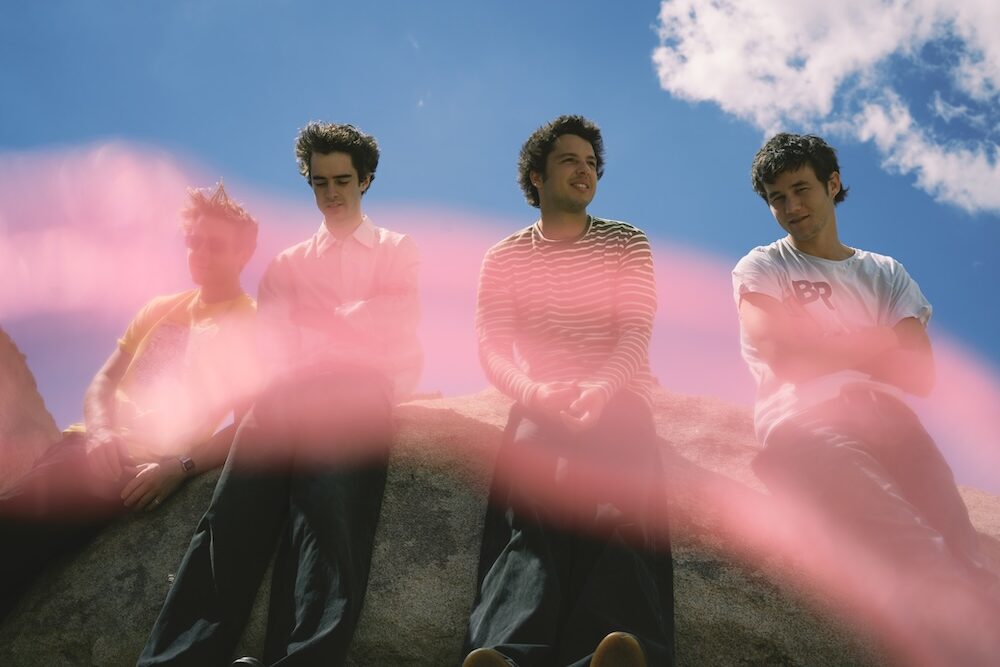
Melbourne band Radio Free Alice‘s’ supply the debut album in this month’s selection. Noah Learmonth, Jules Paradiso, Michael Phillips and Lochie Dowd recorded much of What’s In Between with Peter Katis in Connecticut.
His experience with the National and Interpol helps explain why the production has become such a prominent part of the conversation around the record. IRC included the band in this week’s roundup; this monthly entry revisits the album in that broader critical context.
NME’s Jordan Bassett describes a larger presentation that retains the specificity of Learmonth’s characters and situations. His feature highlights “Bottleshops,” “Four Leaf Clover” and the title track, while connecting the quartet’s interests to British guitar pop.
Still Listening’s Miles Milton-Jefferies is enthusiastic about the momentum of “Crying with You” and the guest appearance by Water from Your Eyes’ Rachel Brown on “Big Ideas.” Exclaim!’s Alexa Margorian offers a useful counterweight: the polish can diminish some of the exploratory qualities that made the earlier material distinctive, even as the title track and “Waiting” stand out.
For a first visit, try “Crying with You,” “Big Ideas” and “Waiting.” The band’s move from smaller rooms to international attention is relevant to anyone following the fortunes of young guitar groups, but those specific songs provide a better test than the surrounding buzz. This is a return visit to a recent IRC subject, not a claim that the band has just been discovered.[4]
Listen to What’s In Between on Spotify
5. Wishy — Nature’s Pill
October 2, 2026 · Winspear · Metascore: 81/100*

Five-piece Indianapolis band Wishy began in 2022 around the songwriting partnership of Kevin Krauter and Nina Pitchkites . Nature’s Pill follows their 2024 debut, Triple Seven, and the subsequent Planet Popstar EP. Krauter co-produced the new album with Ben Lumsdaine . Its twelve-song track list gives the two writers room to develop a partnership that has attracted attention across indie-pop, shoegaze and alternative-rock coverage.
The Line of Best Fitem>’s Dom Lepore awards it 8/10, treating “All the Rage” as a breakup song rooted in the small disruptions of ordinary life. His review argues that the hooks and contrasting voices give the elaborate arrangements a center.
Pitchfork’s Colin Joyce gives 7.6, emphasizing the longing beneath the brighter surfaces and discussing the programmed rhythms and vocal processing of “Kiss Kiss Kiss.” The wider review spread is revealing: Paste’s 8.3 praises the melodic abundance, while Clash’s 6/10 suggests the band has not yet fully realized its promise.
The useful question is whether that abundance deepens the songs or sometimes distracts from them. Queue “All the Rage,” “Lovesick” and “Kiss Kiss Kiss” to explore the range reviewers describe. Wishy fit IRC particularly well because the second-album stage remains a point of possibility: the debut has opened doors, but the identity is still being worked out. The attraction is a developing songwriting partnership, rather than the promise of another perfectly packaged revival.[5]
6. Editors — Surface, Echo & Sound
October 30, 2026 · PIAS · Metascore: 80/100
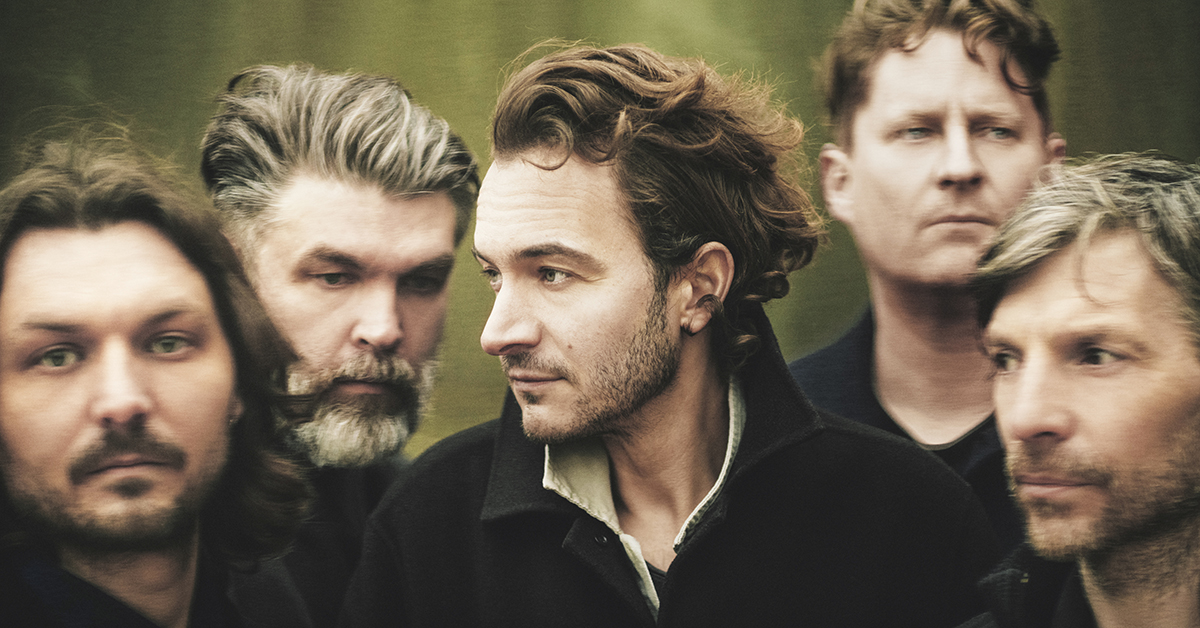
Editors have been part of the British alternative-rock conversation since the mid-2000s, and IRC’s archive contains coverage from their early rise. On Surface, Echo & Sound, the current band is Tom Smith, Russell Leetch, Ed Lay, Justin Lockey and Elliott Williams. The official credits list production by Lockey and the band. The eleven-song sequence arrives after the more electronic EBM, making the balance between familiar guitar-band instincts and subsequent experiments central to the reviews.
RIFF Magazine’s Roman Gokhman gives the record 8/10 and resists reducing it to a simple return to the beginning, finding that its new-wave elements keep the movement more complicated. Under the Radar’s Matt the Raven is positive but more measured at 7/10. He picks out the immediacy of “Call It In,” “Seriously,” “The Rush” and “Much Love,” while arguing that several slower passages interrupt the momentum. The Irish Times’ Ed Power is less convinced at 3/5, questioning the effectiveness of the move back toward the band’s established post-punk territory.
“Call It In,” “The Rush” and “Seriously” offer a practical starting set. The disagreement gives returning listeners a clear question: does this release consolidate what Editors have learned, or retreat to what audiences already recognize? That makes it a useful inclusion alongside the younger bands here. A longstanding act’s October release deserves the same scrutiny as a debut, and the aggregate score should not erase the reservations of individual critics.[6]
7. Clinic — Wild In The Streets
October 30, 2026 · Domino · Metascore: 80/100

Domino artist Clinic’s tenth album brings the Liverpool project back after five years, with school friends Ade Blackburn and Jonathan Hartley continuing as a duo. IRC covered the band during the Bubblegum period in 2010, so this is a longstanding archive connection rather than a newly arrived name. The current twelve-track release offers another chance to follow musicians who have maintained an individual identity across changes in personnel and the wider fortunes of guitar music.
musicOMH’s Ben Hogwood awards Wild In The Streets 4.5/5. His review finds a compact collection full of eccentric details, drawing attention to the dub associations of “Model Citizen,” the unusual atmosphere of “The Gardener” and the music-business satire of “You and I.” Song Bar’s Peter Kimpton also hears a productive combination of keyboards, repetitive rhythms and off-center pop references. The overlap between these accounts is useful: both locate the appeal in the band’s particular combinations and economy, rather than a dramatic reinvention.
Start with “Model Citizen” and “The Gardener,” then follow the sequence through “You and I.” A short album can still give listeners plenty to investigate, and the reviews suggest that Clinic continue to reward attention to details that a genre tag cannot explain. Their place in this selection also reflects IRC’s history of following distinctive bands beyond their first burst of attention. The old post supplies context; the new record supplies the reason to return.[7]
8. Teenage Fanclub — Do Not Dare To Dream
October 9, 2026 · Merge · Metascore: 78/100*
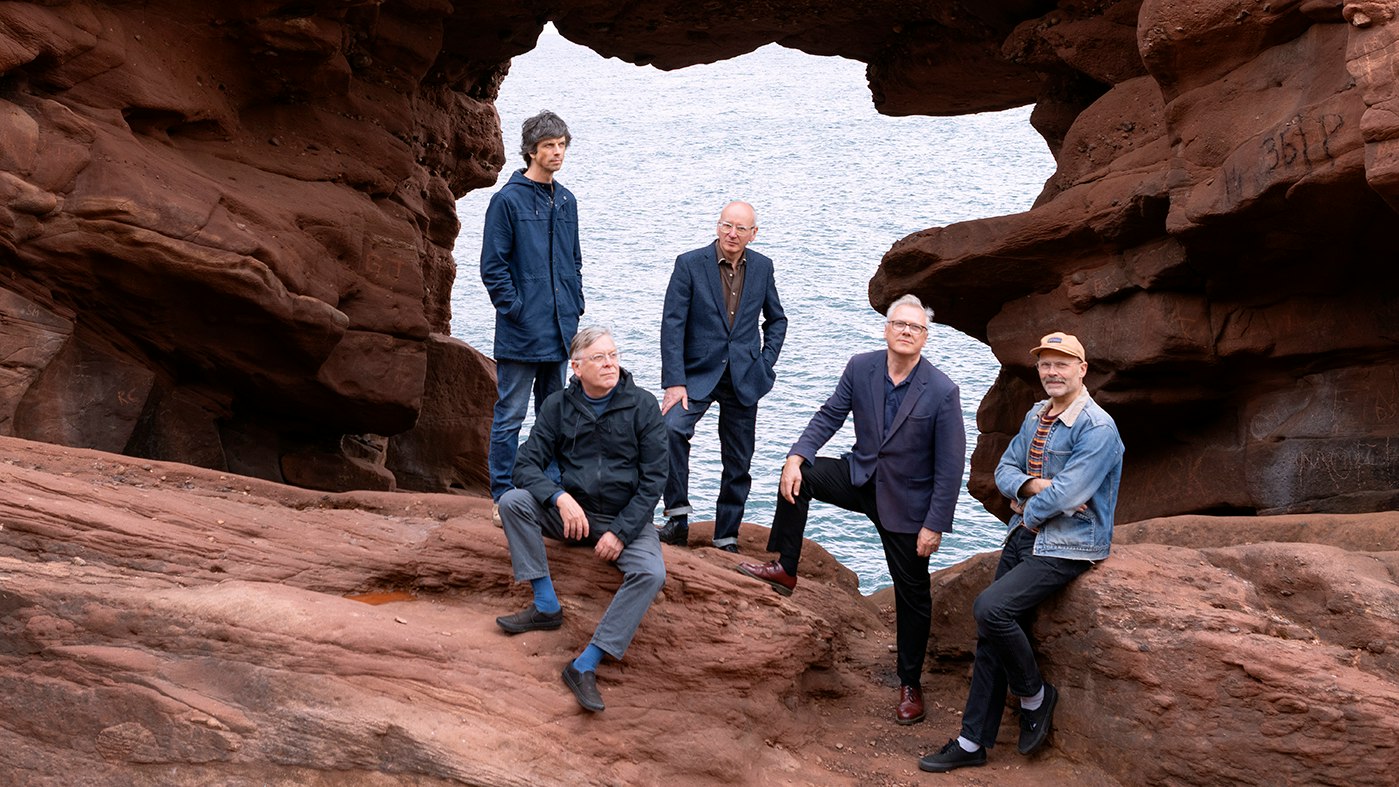
Norman Blake and Raymond McGinley continue Teenage Fanclub with Euros Childs, Francis Macdonald and David McGowan. For this album, the Scottish quintet gathered on Great Bernera in the Outer Hebrides. That setting is part of the record’s documented history, but the reviews emphasize connection rather than geographical isolation. IRC’s June 2010 coverage of Shadows provides an earlier chapter in a relationship with the band that stretches well beyond this monthly selection.
MOJO’s Victoria Segal gives the new album four stars, reading its songs as candid accounts of vulnerability, discouragement and hard-won contentment. She points to “There Was You” and “Day In The Sun,” and highlights Childs’ keyboard contributions to “Tomorrow People” and “Over And Over.” Pitchfork’s Ethan Beck is more reserved at 6.0, finding the gentle pace and familiar methods too predictable despite individual successes. Metacritic’s indexed review collection also records a 90 from Uncut and an 80 from Record Collector, illustrating how differently critics value continuity.
That division is worth preserving. “There Was You,” “Tomorrow People” and “Take Time” give readers three places to test whether the record’s restraint feels sustaining or overly comfortable. Teenage Fanclub belong in IRC’s monthly coverage because melodic guitar pop remains central to the site’s history, not because veteran status grants an automatic pass. This is a selection for listeners interested in how an established songwriting partnership handles aging, uncertainty and the possibility of ordinary happiness.[8]
9. DIIV — ZIRP!
October 30, 2026 · Fantasy · Metascore: 78/100

DIIV’s title borrows the abbreviation for zero interest rate policy, setting out an economic frame before the first track. Zachary Cole Smith, Andrew Bailey, Colin Caulfield and Ben Newman worked with A. G. Cook on the new release. IRC included DIIV in its 2013 SXSW selections; the intervening years make this a particularly interesting archive return, with the new album’s production partnership placing it in a different conversation from that early festival introduction.
Pitchfork’s Larry Fitz awards ZIRP! 7.0 and examines the risks of bringing a more overt pop framework to the band’s identity. His review discusses “The Fountain,” “Dare Me” and “Trillions,” while questioning how well the competing impulses fit together. NME’s Joe Goggins is more receptive to the meeting of political intent, pop ambition and community-minded concerns. Northern Transmissions offers another mixed reading, finding “Evangelizer” particularly effective while suggesting that parts of the broader experiment overreach.
Those responses make “The Fountain,” “Dare Me” and “Evangelizer” a useful listening route. The interest here is not simply that a guitar band hired a notable electronic producer. It is whether the changed presentation strengthens the ideas the musicians want to communicate. For IRC readers who enjoy following bands through uncomfortable transitions, the disagreement surrounding ZIRP! is part of its relevance. Its inclusion recognizes a consequential experiment without pretending that every reviewer agrees it succeeds.[9]
10. Fenne Lily — Win Win
October 23, 2026 · Nettwerk · Metascore: 78/100

Fenne Lily’s fourth album follows the songwriter’s move from England to New York and the personal changes that accompanied it. Raised in Dorset and associated with Bristol before relocating, Lily has built a catalog in which relationships and their aftermath provide material for close observation. Win Win arrives through Nettwerk with ten songs, including “Uh Huh,” “Room to Room,” “Stranger Things” and the closing “in Life and on Planes.”
Under the Radar’s Caleb Campbell gives the album 8/10. His review places the writing between the end of one relationship and the possibilities of new connections, noting the banjo on “Uh Huh” and the lap steel and saw in “Room to Room.” He also singles out the reduced arrangement of the closing track. FLOOD’s Annie Parnell finds renewal in Lily’s willingness to remain vulnerable, emphasizing the precision of the imagery rather than treating the release as a simple breakup narrative. Together, the reviews suggest that the interest lies in how closely the songs observe change.
“Uh Huh,” “Room to Room” and “in Life and on Planes” offer a manageable introduction. Lily closes this selection by bringing the scale back to an individual life after records concerned with institutions, economic systems and collective histories. That smaller focus has long had a place at IRC. The case for inclusion rests on specific songwriting and arrangement details identified by the critics, giving readers a clear basis for deciding whether to explore further.[10]
Sources and review notes
Release dates and track titles were checked against artist or label album listings. Review publication dates can extend into November; eligibility is based on the album’s October release date. The selection uses critic Metascores, not user ratings.
- The Olivia Tremor Control:
Official album and recording credits;
Tim Sendra, AllMusic review;
Patrick Lyons, Pitchfork, October 29;
Kyle Lemmon, FLOOD, November 3. - Caroline Rose:
Official album and personnel;
World Cafe interview, September 8;
Zach Schonfeld, Pitchfork, October 26;
John Murphy, musicOMH, October 22;
Kyle Lemmon, FLOOD, October 23. - Fontaines D.C.:
Official album, credits and track list;
Metacritic album page and linked critic reviews. - Radio Free Alice:
Jordan Bassett, NME cover feature, October 19;
Miles Milton-Jefferies, Still Listening, October 30;
Alexa Margorian, Exclaim!, October 29. - Wishy:
Official album and production credits;
Wishy biography, AllMusic;
Dom Lepore, The Line of Best Fit, September 30;
Colin Joyce, Pitchfork review;
AnyDecentMusic links to Paste and Clash reviews; its rating is separate from Metacritic. - Editors:
Official album and credits;
Roman Gokhman, RIFF, October 25;
Matt the Raven, Under the Radar, October 30;
Ed Power, The Irish Times, November 5. - Clinic:
Official album;
Ben Hogwood, musicOMH, October 29;
Peter Kimpton, Song Bar, November 3. - Teenage Fanclub:
Official album;
Victoria Segal, MOJO, October 5;
Ethan Beck, Pitchfork review;
Indexed Metacritic page: 78 from 11 critics. - DIIV:
Official album;
Larry Fitz, Pitchfork, October 30;
Joe Goggins, NME, October 28;
Northern Transmissions review. - Fenne Lily:
Official album and track list;
Caleb Campbell, Under the Radar, October 28;
Annie Parnell, FLOOD, October 20.
Metacritic score record: The Olivia Tremor Control 90; Caroline Rose 86; Fontaines D.C. 84; Radio Free Alice 82; Wishy 81*; Editors 80; Clinic 80; Teenage Fanclub 78*; DIIV 78; Fenne Lily 78. Source: Metacritic music listings and album pages. *Wishy’s 81 and Teenage Fanclub’s 78 came from indexed Metacritic copies and need a fresh direct check before publication. AnyDecentMusic and individual review ratings quoted above are separate measures.